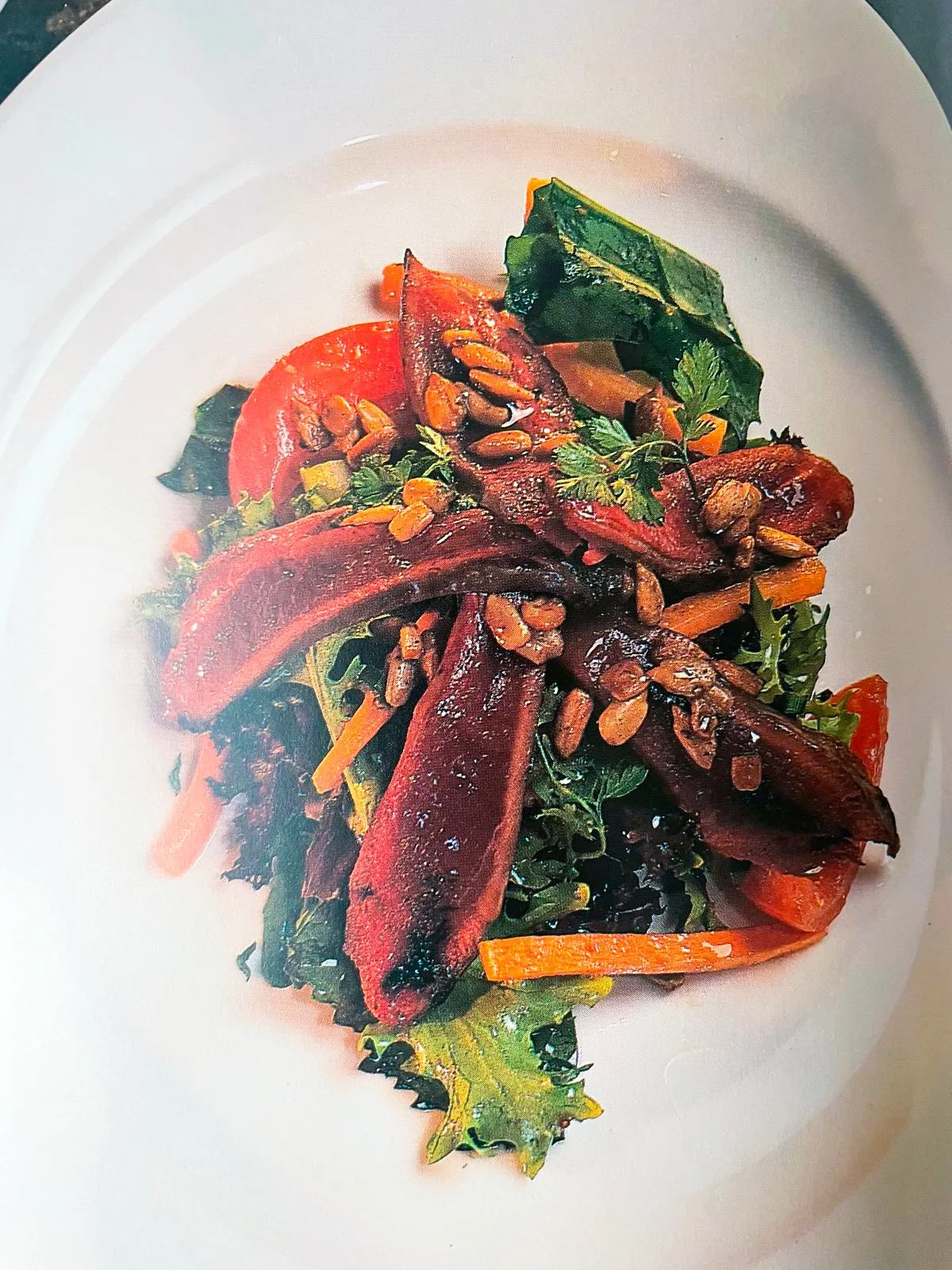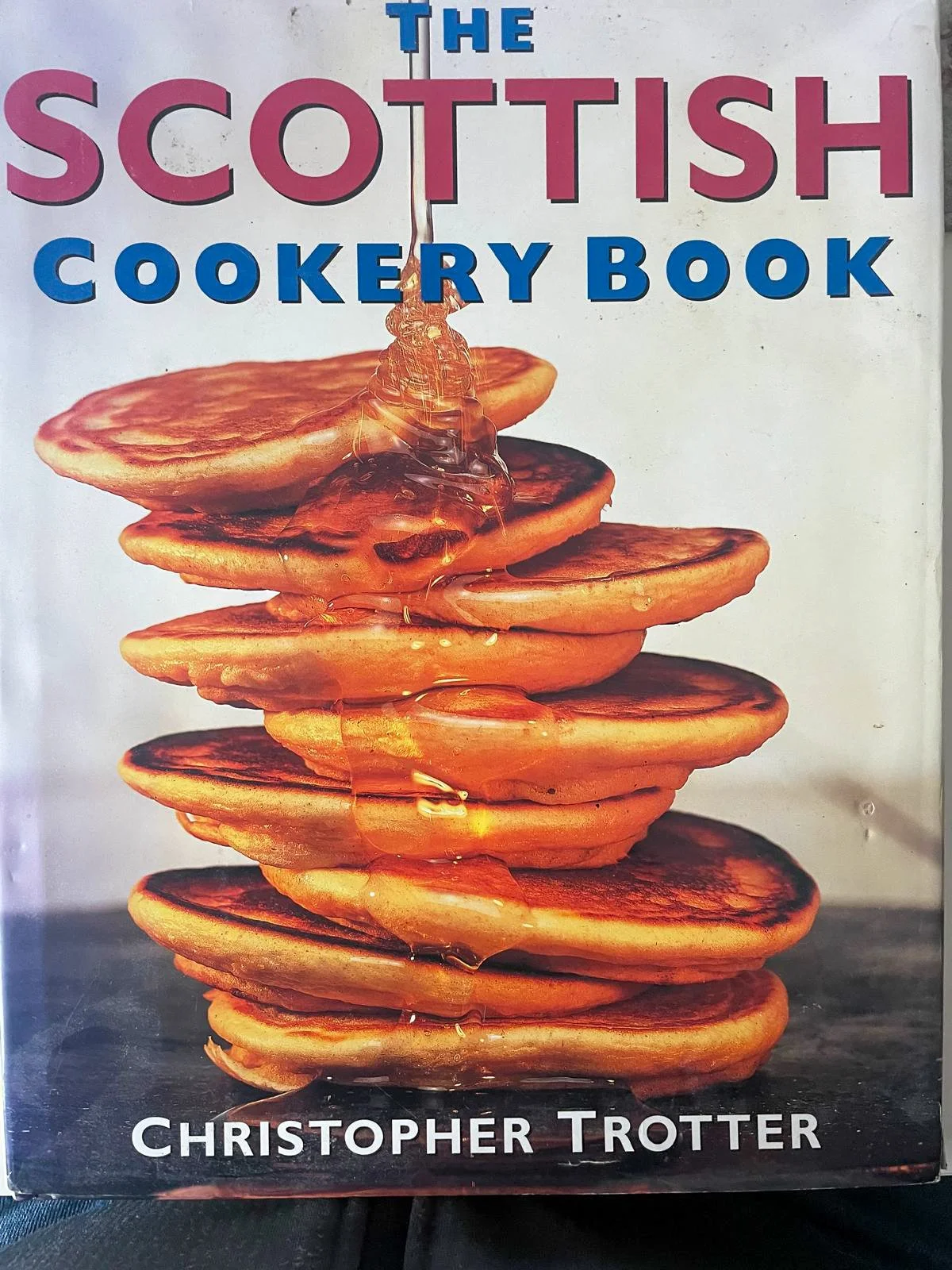
‘The Scottish Cookery Book’ by Christopher Trotter is a good book, in fact it is a very good book indeed. I know Christopher well and have always admired his work. Our paths have crossed several times throughout our time cooking, and I respect what he does to showcase what our great country has to offer. This book could be written now as it is timeless, and he has come up with dishes that look stunning, and I know taste good because I have cooked them. He is a brilliant ambassador for Scottish food and history and many of us will cook these dishes currently or will have done so in the past. This is a celebration of Scottish cooking old and new. I love the menus at the back of the book, giving us ideas around local and seasonal produce. Brilliant — and remember this book is almost 30 years old. Superb recipes for skirlie, clapshot, shortbread, border tart, rowies, clootie dumpling and of course roast grouse with rowan berries, a dish I cooked a few weeks ago at a wine event some of you may recall. It is still current, especially venison with dauphinoise, pheasant wrapped in bacon, barley risotto with lamb and trout with almonds. What’s not to get excited about? This book won’t be going back in the bookshelf for a while. I salute you Christopher for writing this with the future in mind. Don’t just sit there folks, go and get a copy.
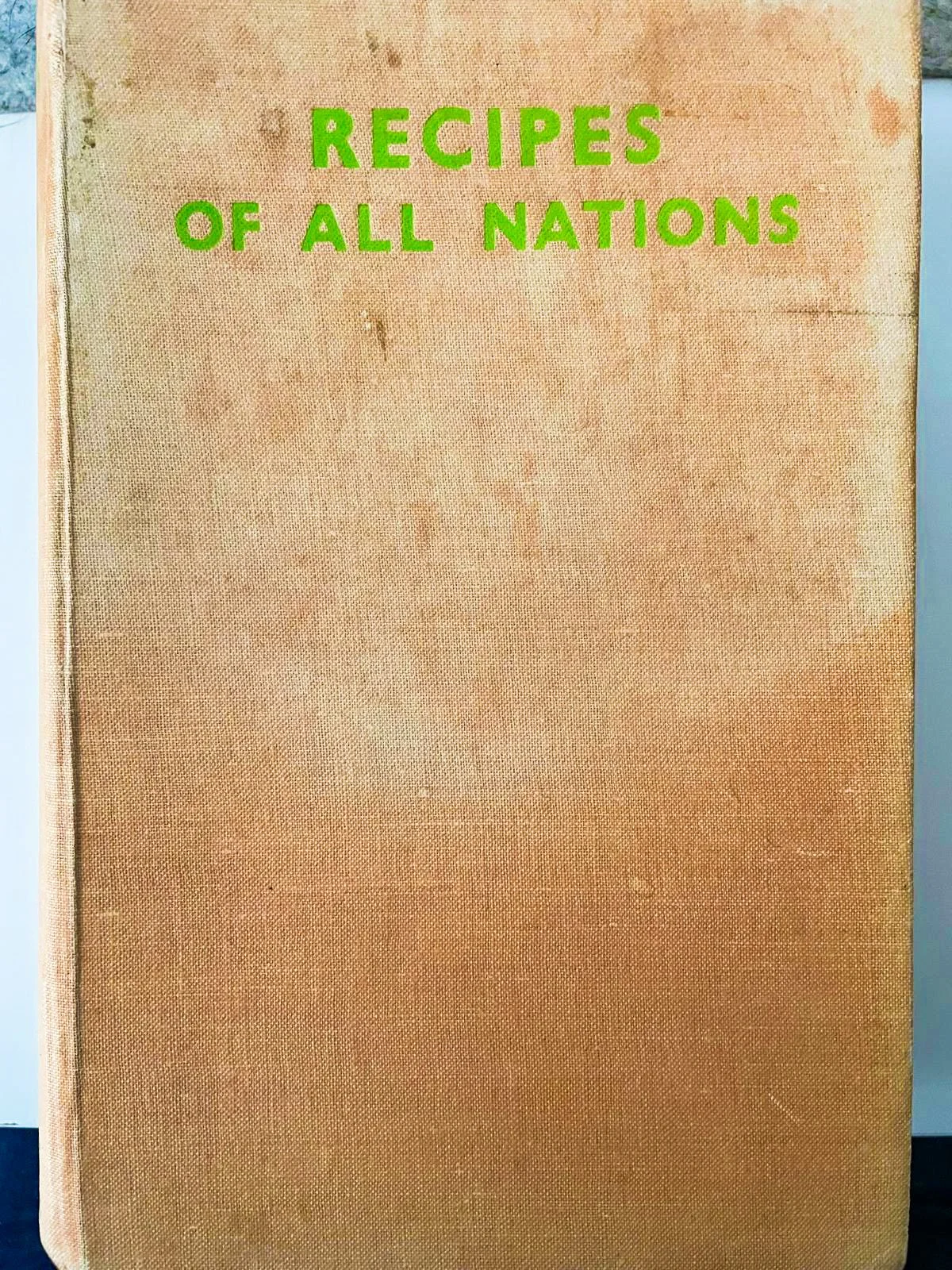
Neil’s cookbook of the week: Recipes of All Nations by Countess Morphy
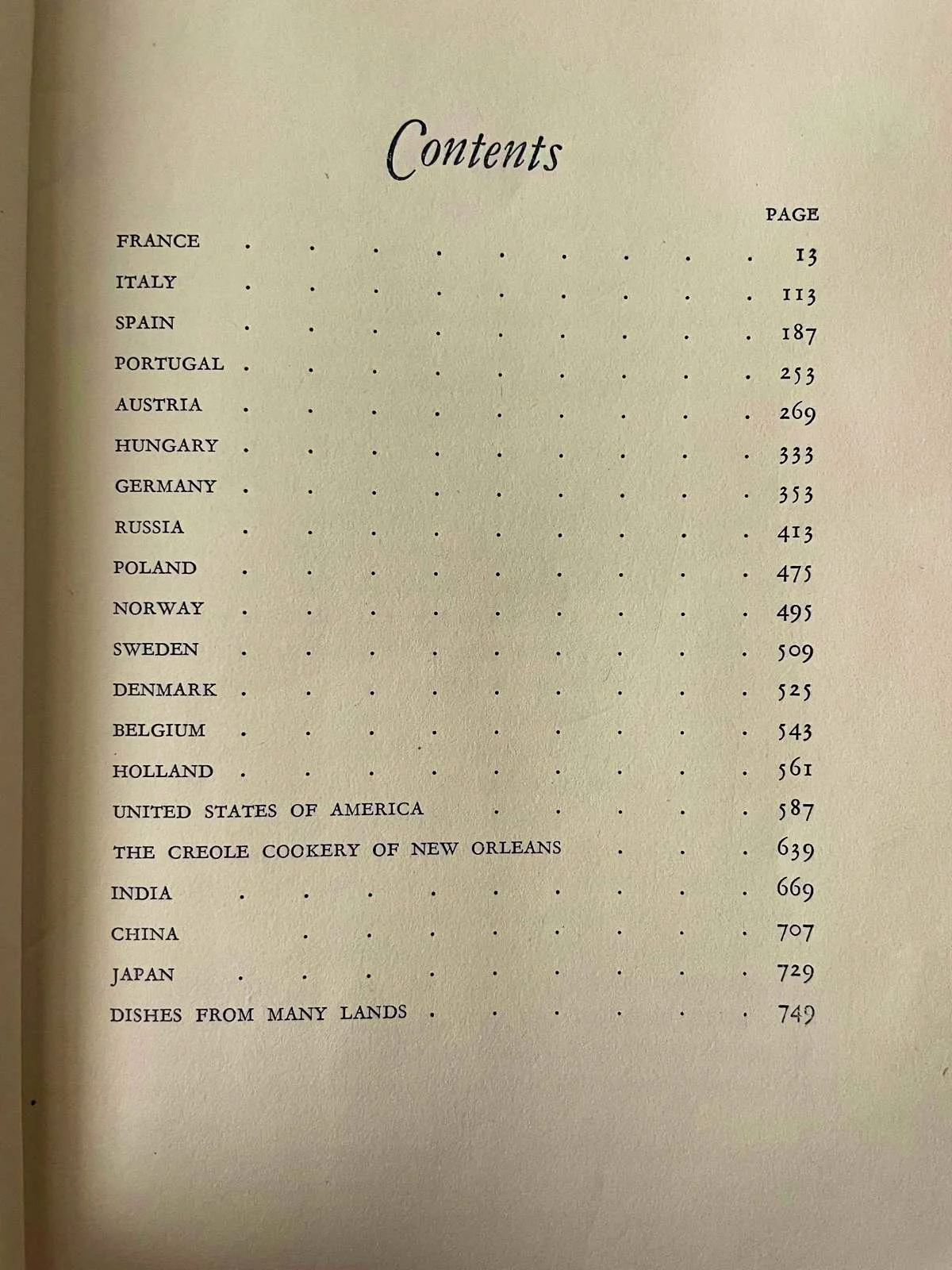
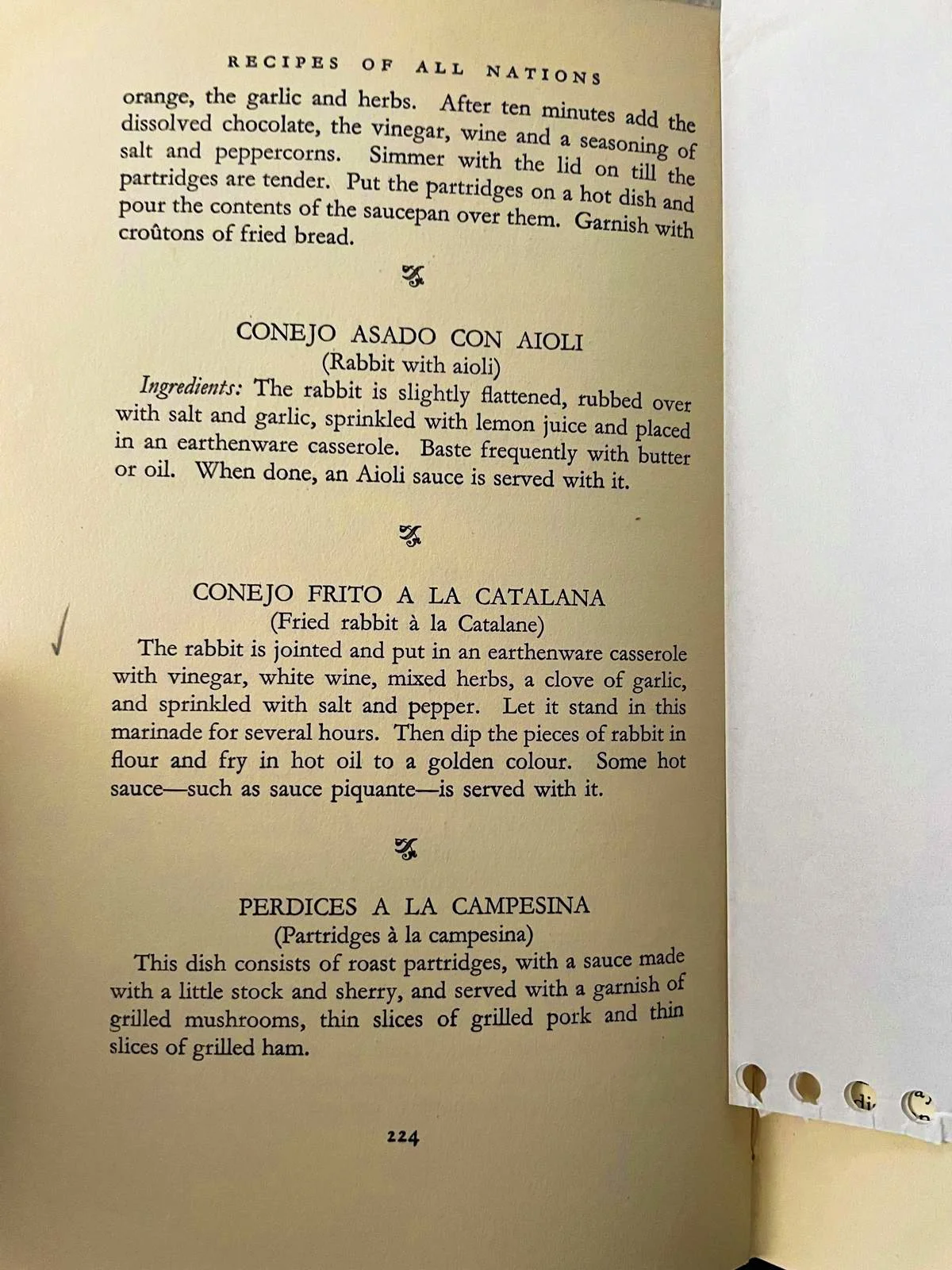
‘Recipes of All Nations’ is quite a book. It is compiled and edited by Countess Morphy and is one of the most interesting books I have come across. It is unusual for a book of this age to be so concise, but it covers so many countries, and the dishes and recipes look great. This book was recently given to me by my father, and it is one he used to swear by when he was teaching young students. A go-to for inspiration, it must have opened up the world for people with classic French to Chinese and Swedish dishes. Couscous from Morocco, Bombay Duck in India, fried grits in New Orleans, and a delicious-sounding pea soup with boiled, pickled pork. My dad always tells me about a rabbit dish, which I must try. Not sure you will find this book, but if you do, I suggest taking it home. It is full of very good recipes and easy to do. Published by Selfridge and Co., this must have been an important book. Shockingly, Countess Morphy was my age when she died in 1938. That was her pen name; her real name was Marcelle Azra Hincks.
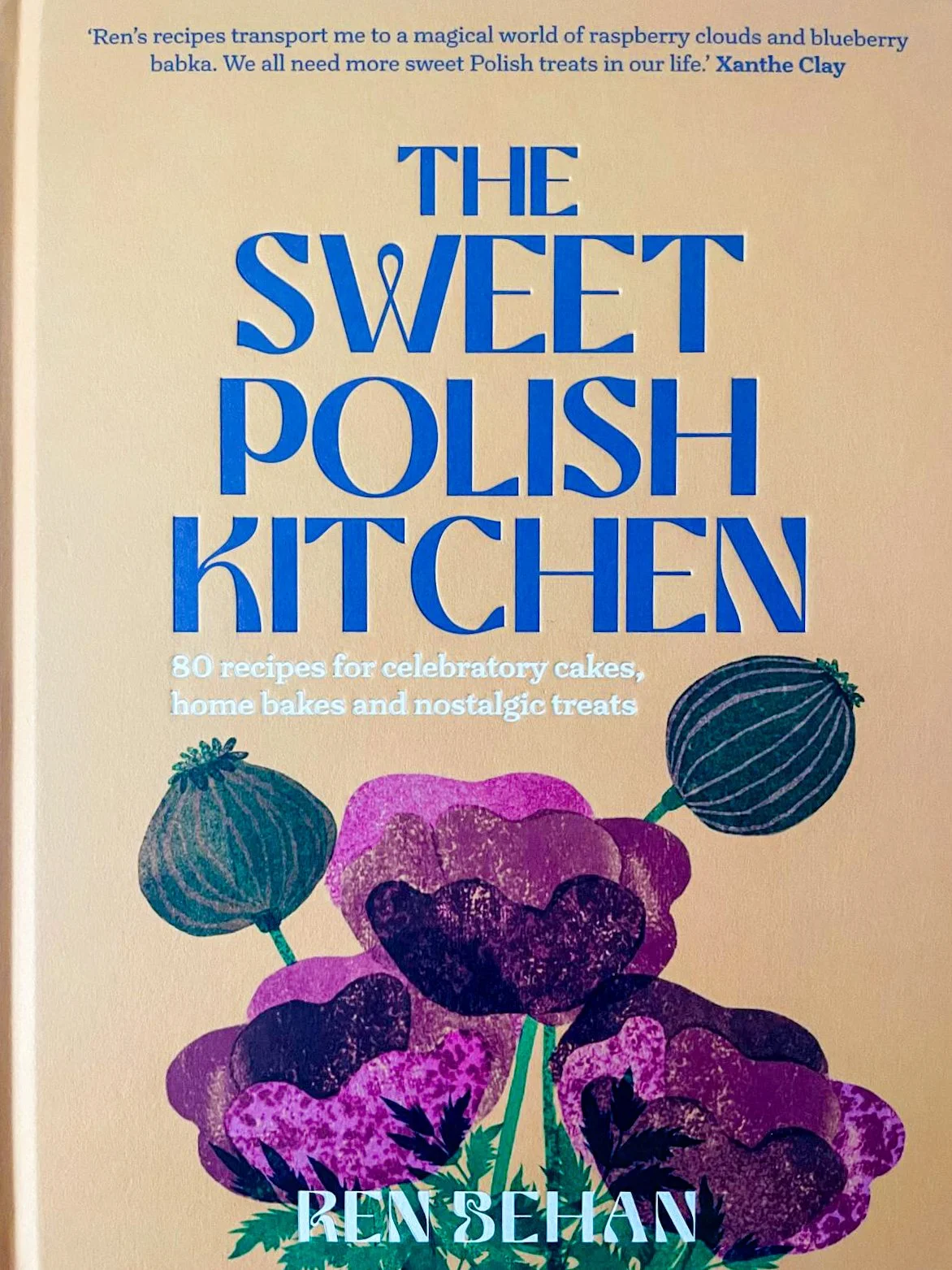
Neil's cookbook of the week: The Sweet Polish Kitchen by Ren Behan
This week is a sweet book. Sweet for providing a sugary treat but also, I found it truly a sweet little book. It will be nostalgic and will attract many for the heritage memories. It’s called ‘The Sweet Polish Kitchen’ by Ren Belhan. Many of you know I don’t have a massively sweet tooth, but I do enjoy cooking sweets, cakes and puddings. This is a good purchase for something exciting and a bit different, with 80 recipes from cakes, classic home bakes and nostalgic treats too. There is a lovely introduction about family and cafe culture, which is a great read in itself. I obviously struggle with the pronunciation of the dishes here, but I get the food. And I adore that they have a sourdough starter here too.
Polish food is often overlooked and it shouldn’t be. There is a huge repertoire I don’t know about and dishes I didn’t know existed but will be normal for many. Cheesecakes look particularly good, with the classic Polish version made with raisins, which I like the sound of. The use of fruit, candied peel, apples, lemon, pear, cherries, bilberries, plums is a big deal. There are too many recipes to choose from, but one that I am drawn to is the Carpathian Mountain cake: a choux pastry with pastry cream, fruit and toasted almonds. Sounds blooming lovely. Modern twists but with classic recipes and bold folkloric styling.
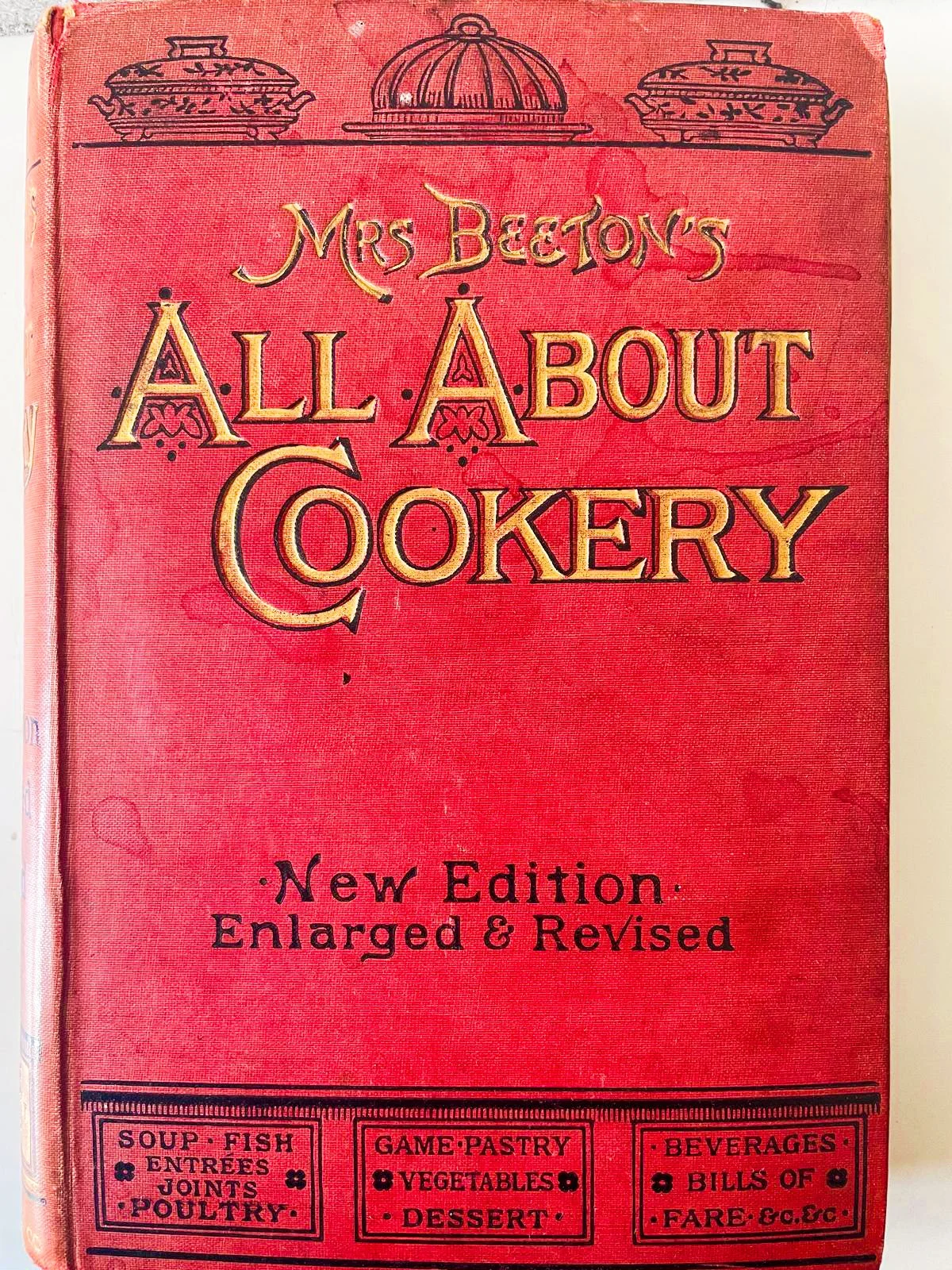
Neil's cookbook of the week: Mrs Beeton's 'All About Cookery'
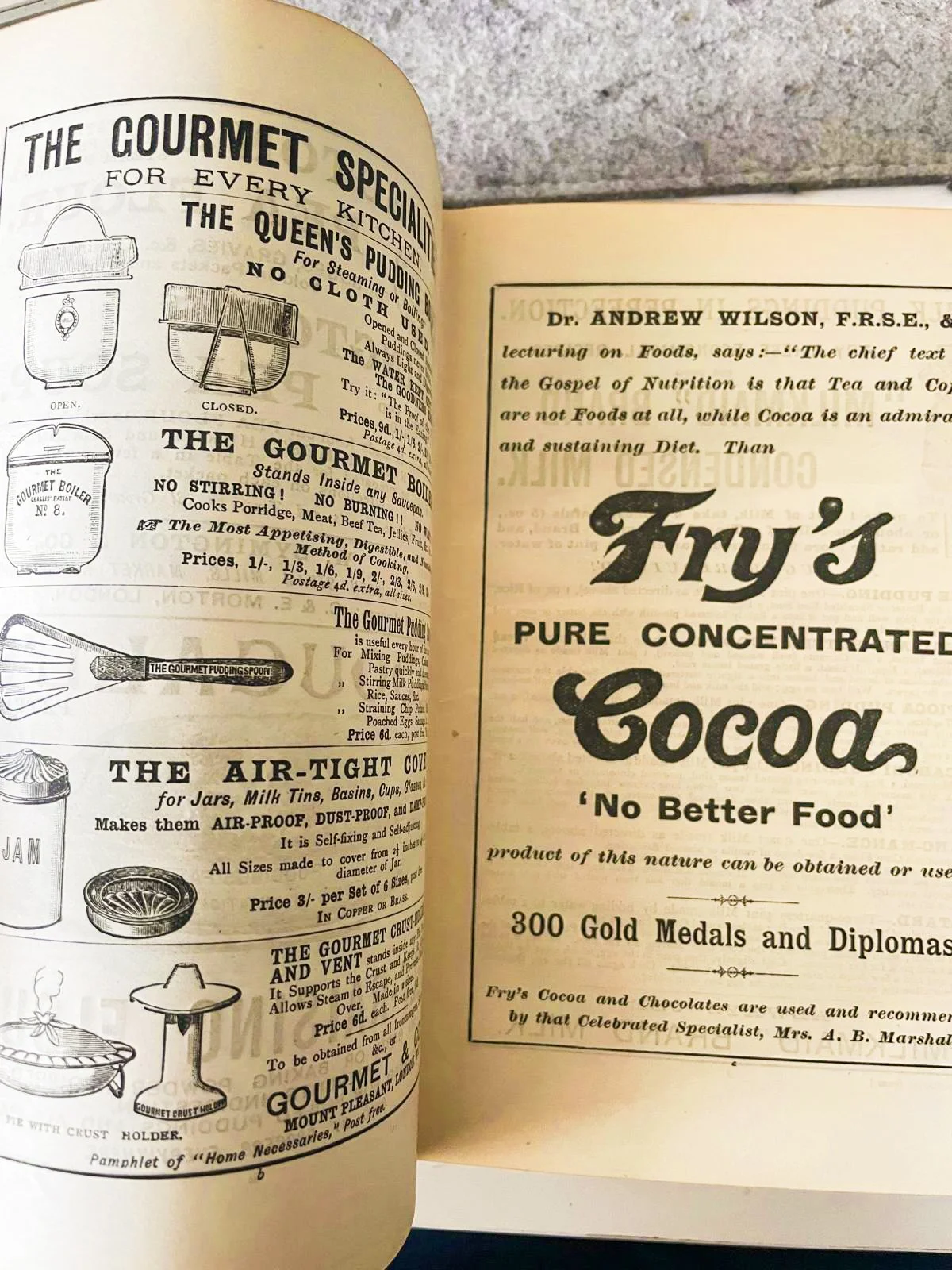
An oldie, a classic and a good one this week. Mrs Beeton’s ‘All About Cookery’ is an incredible book, which must have hundreds if not a thousand recipes, dishes and ideas of what to cook. My copy was given to me recently by my father. He has had it for years but has now passed it down to me. It is in very good condition and is absolutely fascinating in the way language was used in the late 1800s, with plenty of pages for advertising cookware, gelatine and biscuits, and showing off by using French terms and cooking methods.
It must have been a book for the middle to upper classes as I do not imagine folk living in the slums of the big cities had access to woodcock, ptarmigan, or veal to make delicious cutlets. They would have recipes handed down from mother to daughter, but very little would be written. So reading this (and it does take some time to get through it), is interesting. A September dinner for 6 to 12 persons had turbot in a cream sauce, sirloin of beef, damson tart, partridges. This food was only for those who could afford it.
Nonetheless, this is a great book for finding a dish or using an ingredient that you may never have cooked before and using a different technique. I guess many households have a Mrs Beeton tucked away. She must have made quite a few shillings from her writing. This copy is in remarkable condition. Keep your eyes peeled in the charity shops for a copy.
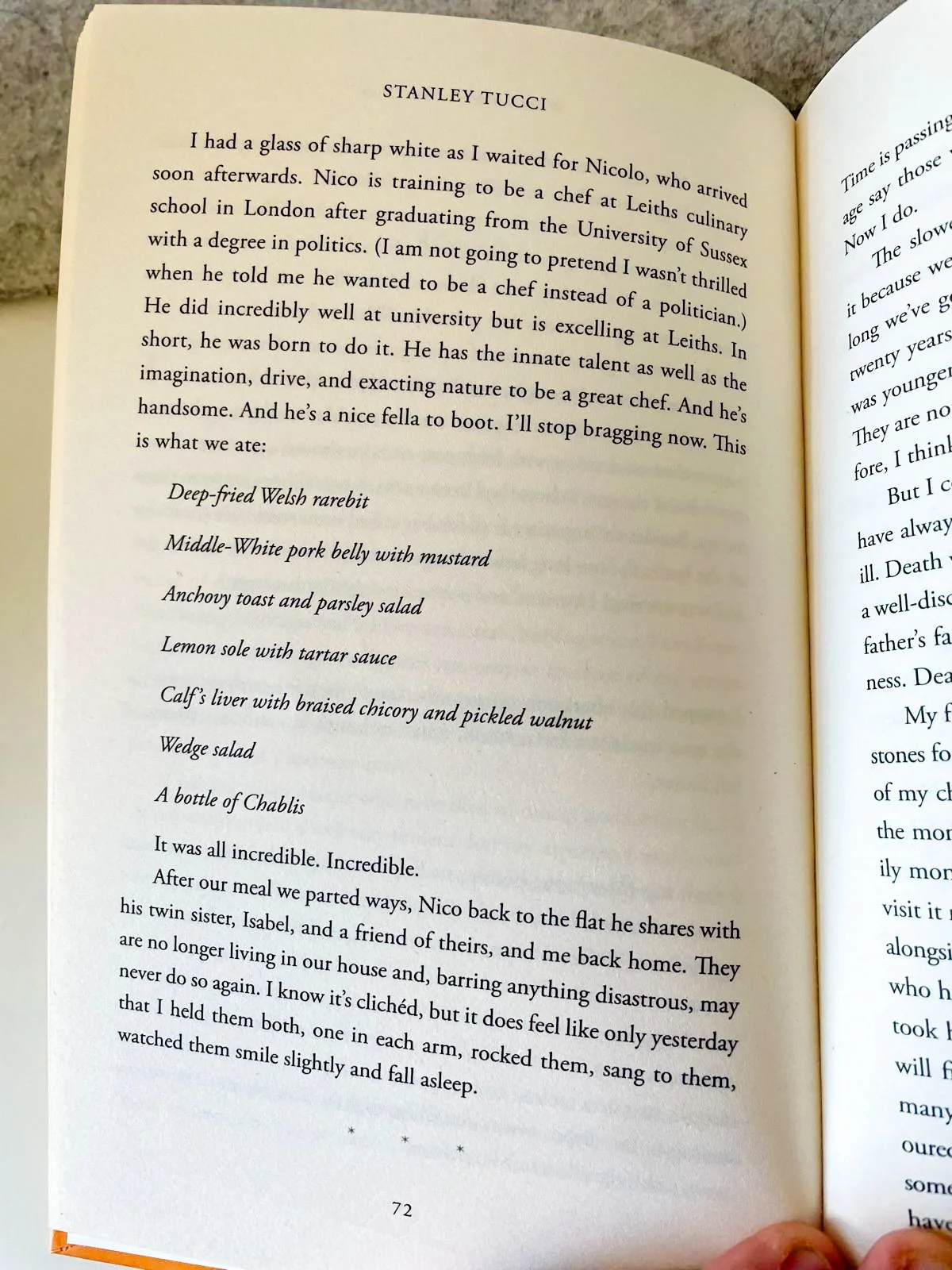
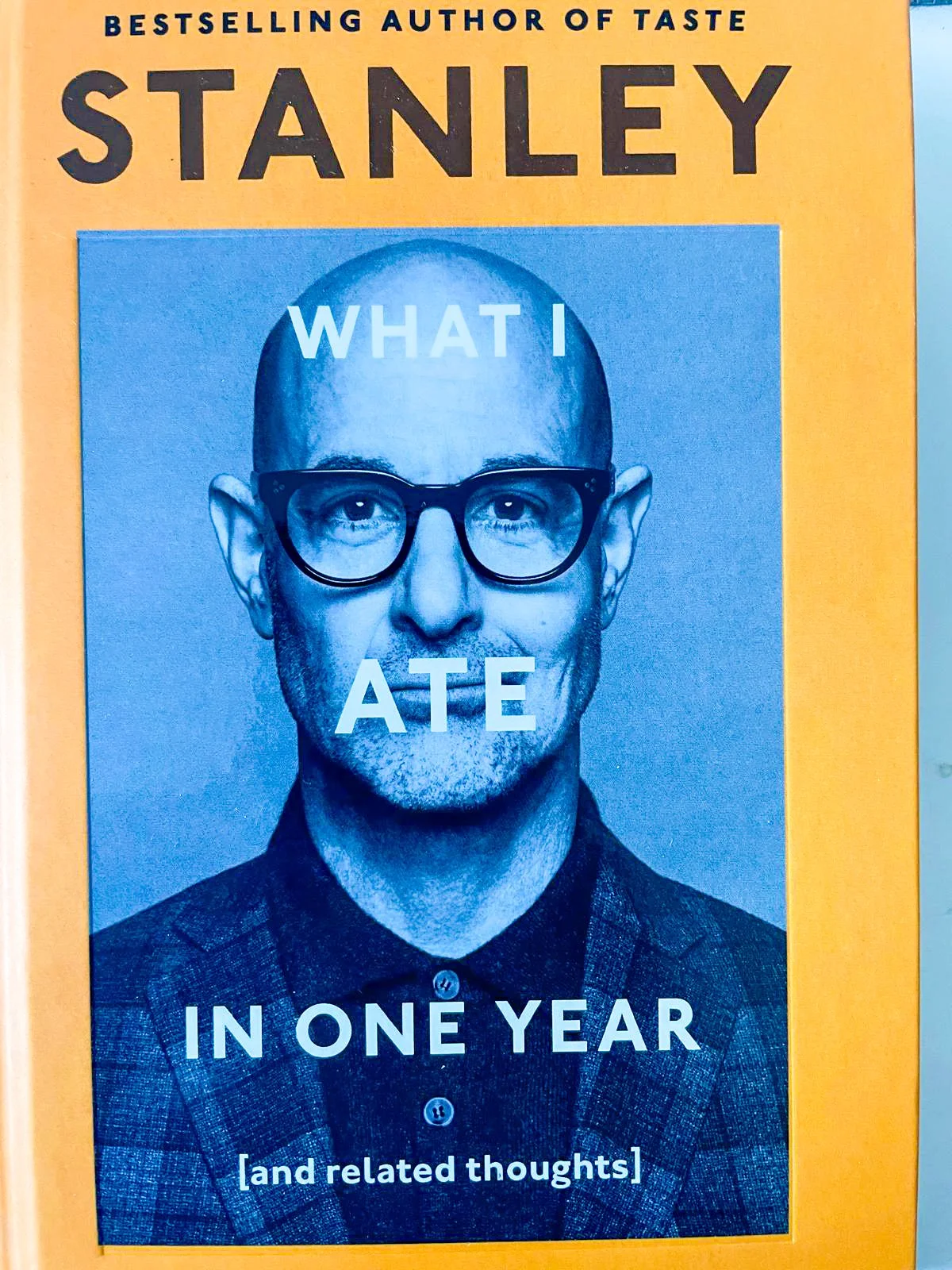
Neil's cookbook of the week: What I Ate in One Year by Stanley Tucci
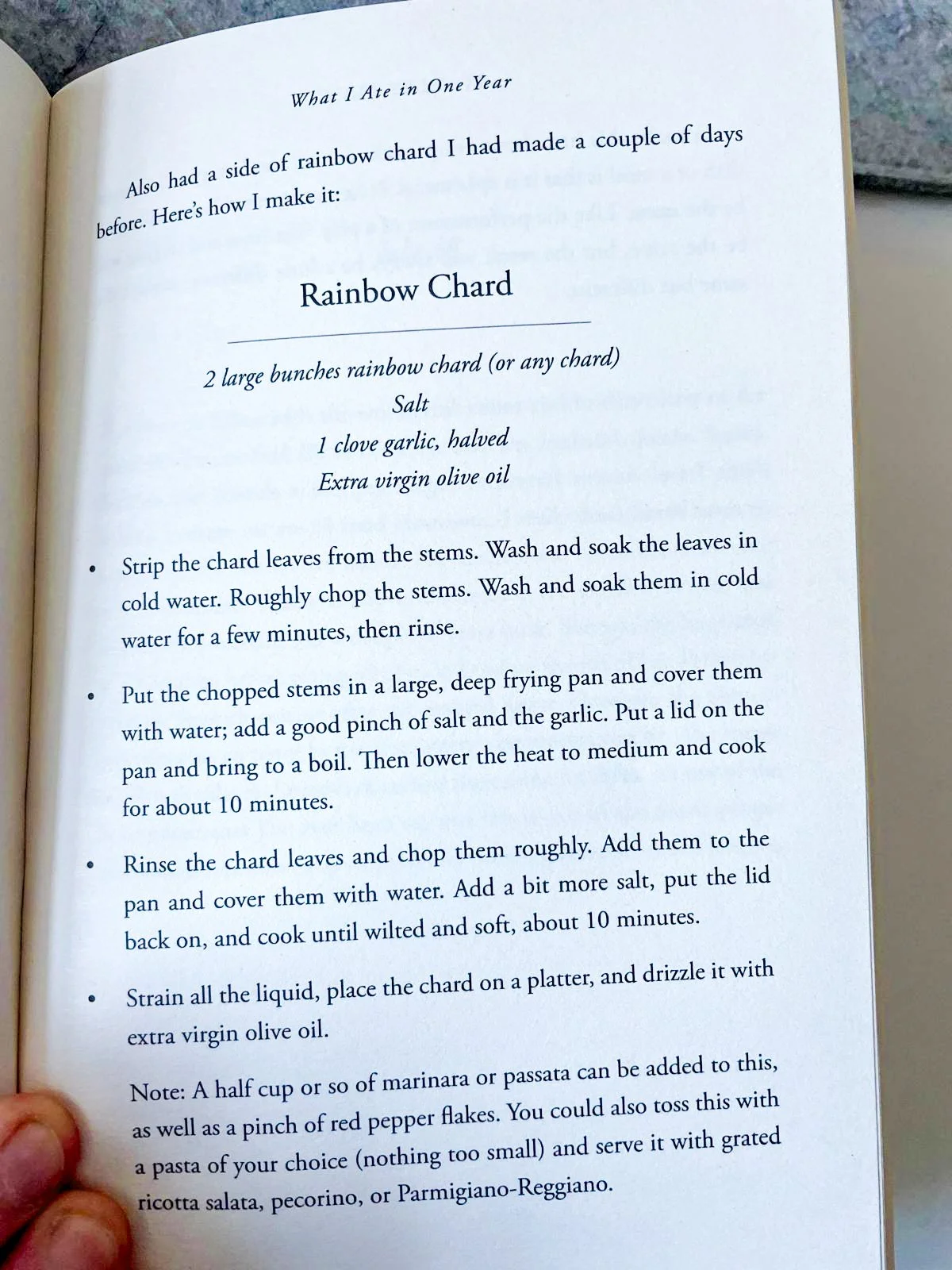
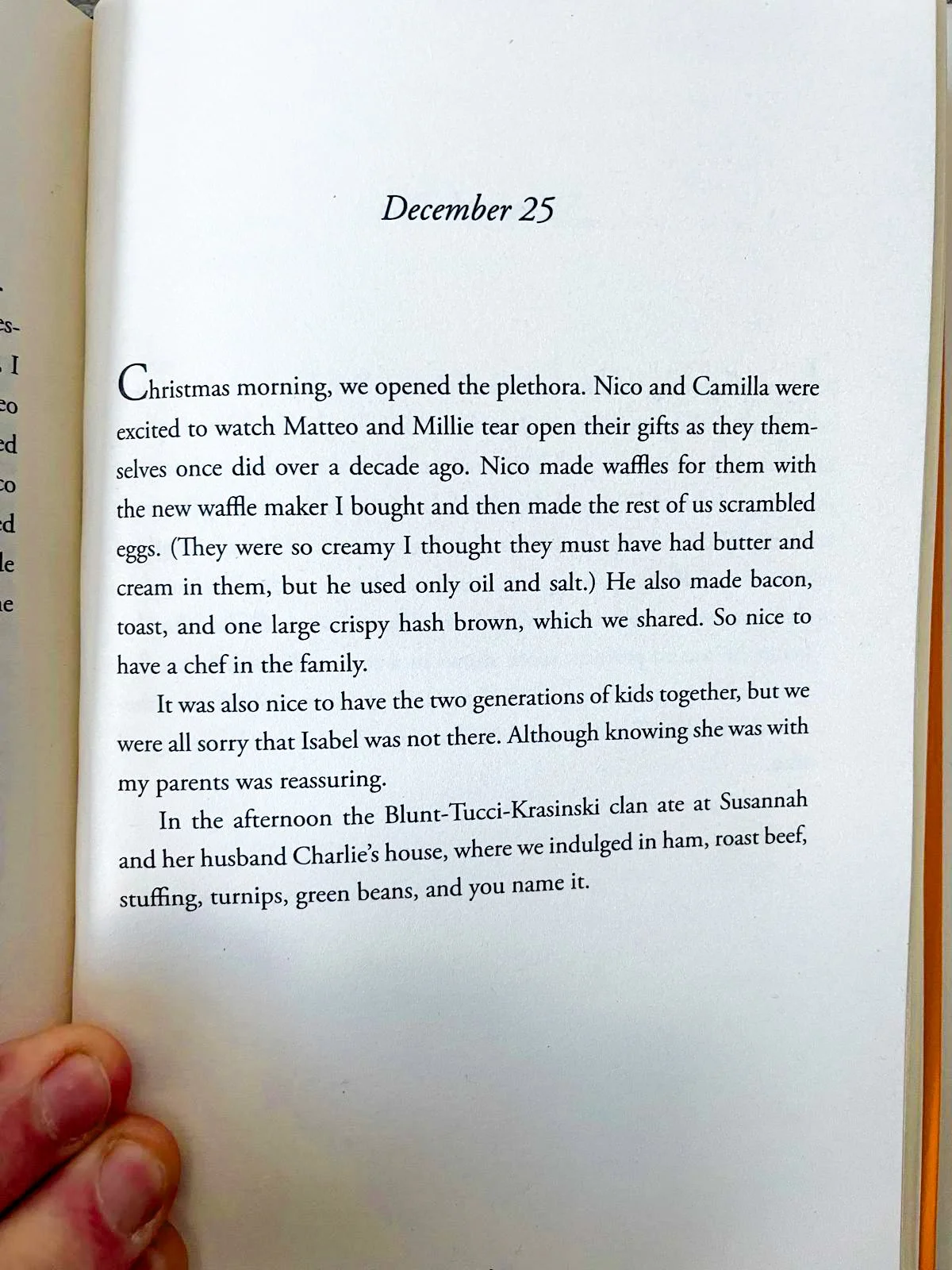
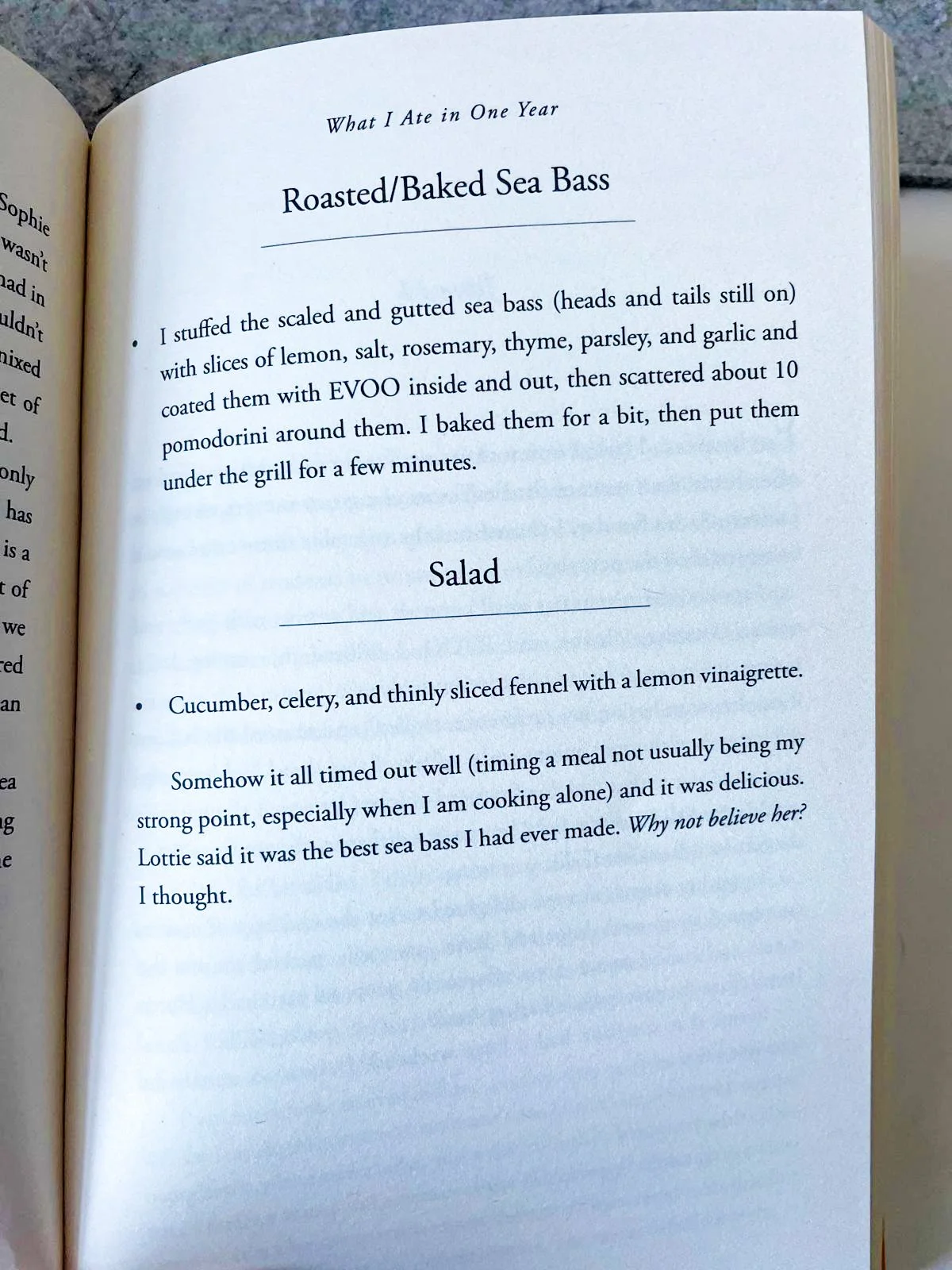
Something a wee bit different this week from the movie star Stanley Tucci. ‘What I Ate in One Year’ is a very interesting read. It is what it says on the tin: a documented diary of what he ate in a year, at home, in restaurants, hotels, and friends’ houses. It is funny in parts and interesting. He loves food, and this comes across well.
He is a great cook, and his recipes pop up in books from other chefs. I imagine his life revolves around food and it is constantly on his mind. As it says on the back cover, ‘sharing food is one of the purest human acts’, and I totally agree. With great food comes conversation, fun, laughter, memories being made, and flavour. I believe we would all like to spend a day with Stanley. What does he do, how does he cook, what would he cook (a simple pasta dish?), would we go out? I would like that.
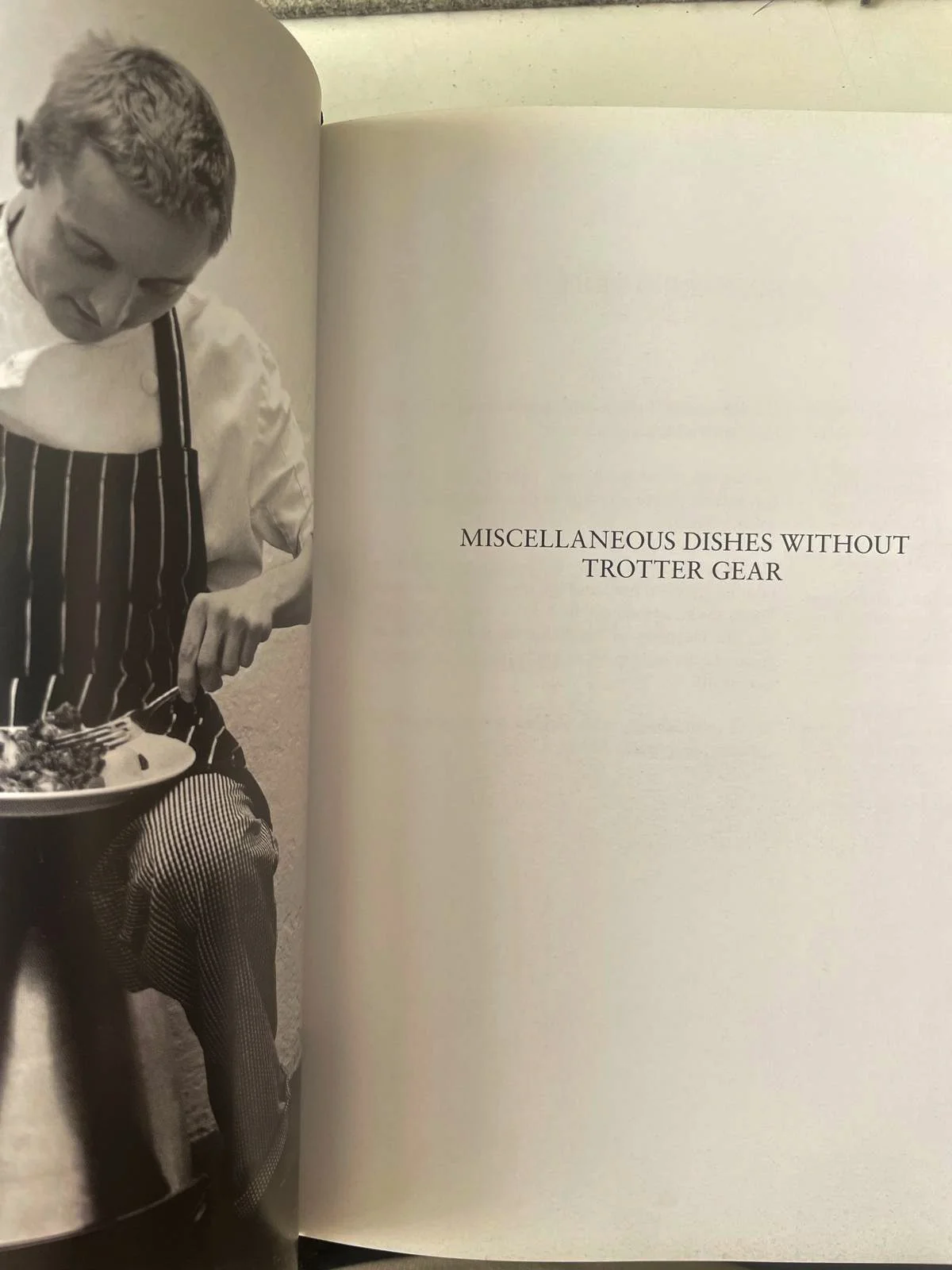
This brilliant read is hard to put down, littered with anecdotes and tales from good to terrible food eaten. Of course some name-dropping, but he is allowed — he is a well-liked food star. This is also a very personal book, talking about his family and kids, one of whom is a chef. It really is interesting, different, and fun, and I love that he likes to eat at St John. A few good recipes and a cocktail or two. It is a really well put together book, a slice of his personal life and family, worth the read.
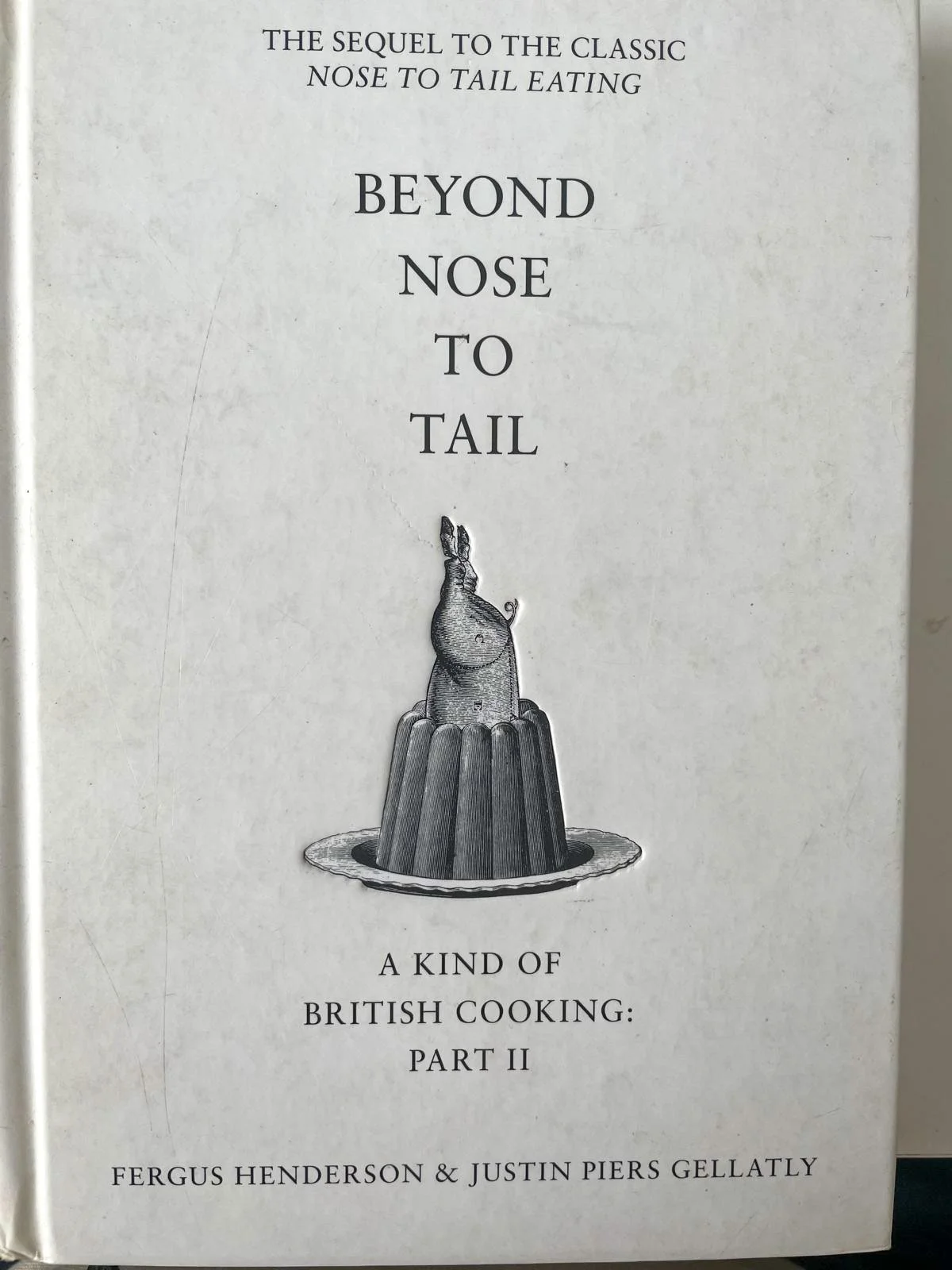
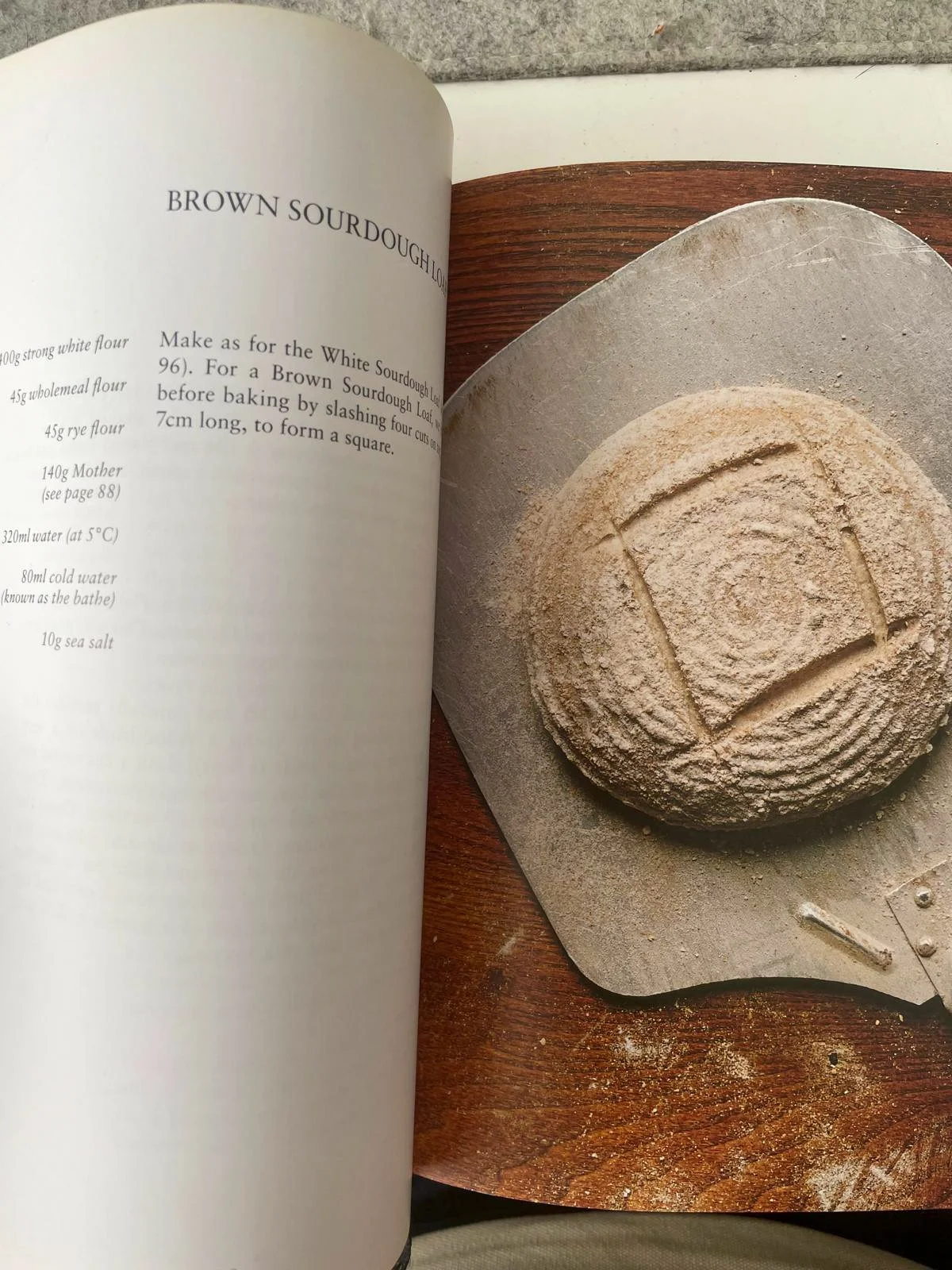
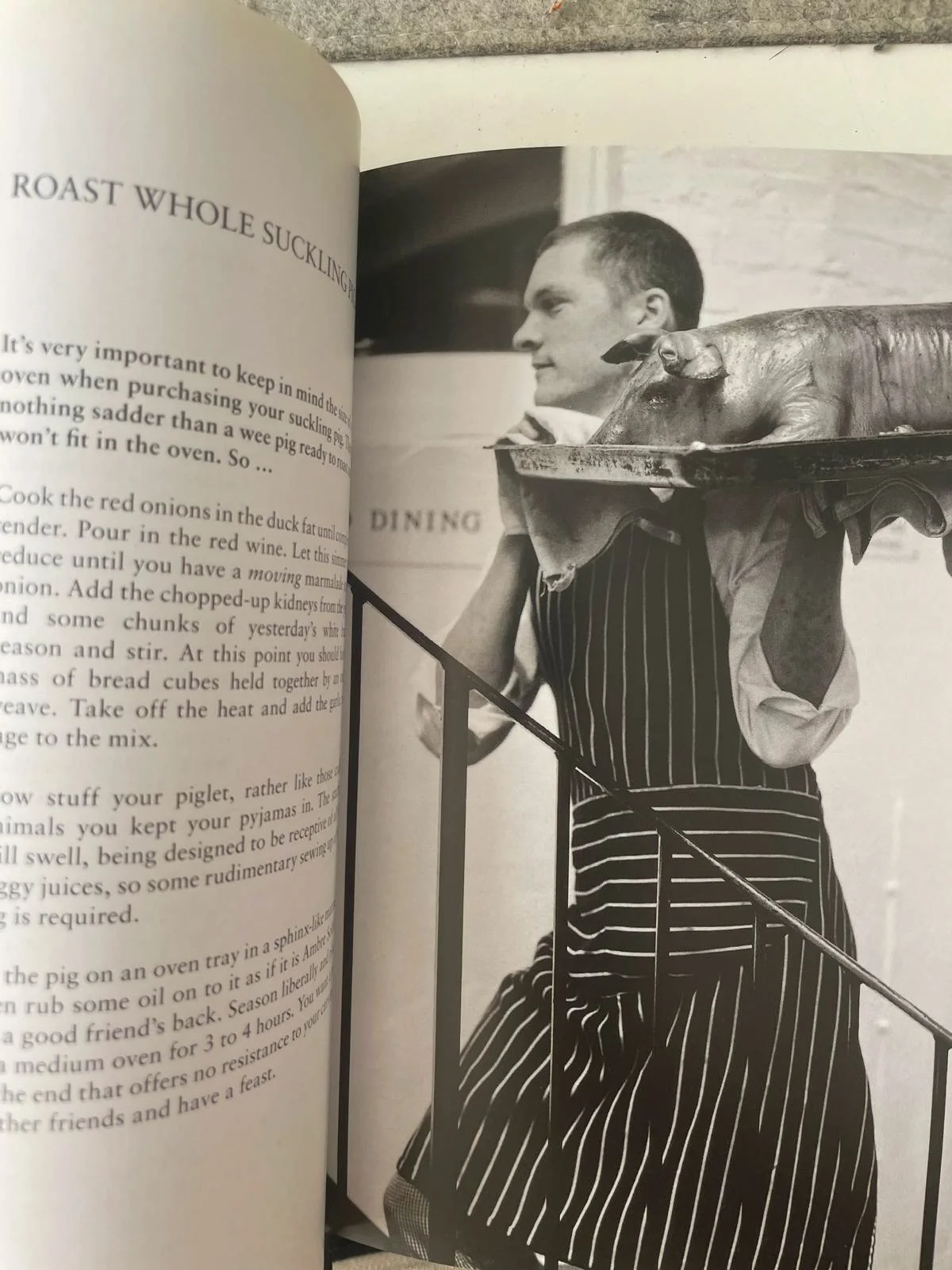
Neil's cookbook of the week: Beyond Nose to Tail by Fergus Henderson and Justin Piers Gellatly
This week I am bringing you the second book from one of my favourite restaurants of all time. ‘Beyond Nose to Tail’ by Fergus Henderson and Justin Piers Gellatly of the incredible St. John restaurant is another excellent book following the success of ‘Nose to Tail’. We use it often at Cafe and at home. There are simple dishes to follow, but it is the vinaigrette, the green sauce, the quince, the brine — these basic recipes we use daily are just brilliant.
The book is filled with proper food: bread pudding, steamed sponges, wigmore and potato pie, bread and, of course, the salads. Delicious and different. Nothing pretty, not a tweezer in sight, and I love it. It takes rustic food to another level of intelligence and fun, because food and eating should be fun, not a starchy, low-lit Mecca for gastronomy. Good food should be for all, and St. John offers that — and at Bread and Wine too, their other gaff. If you have not eaten there, you must. And buy their books. They are good.
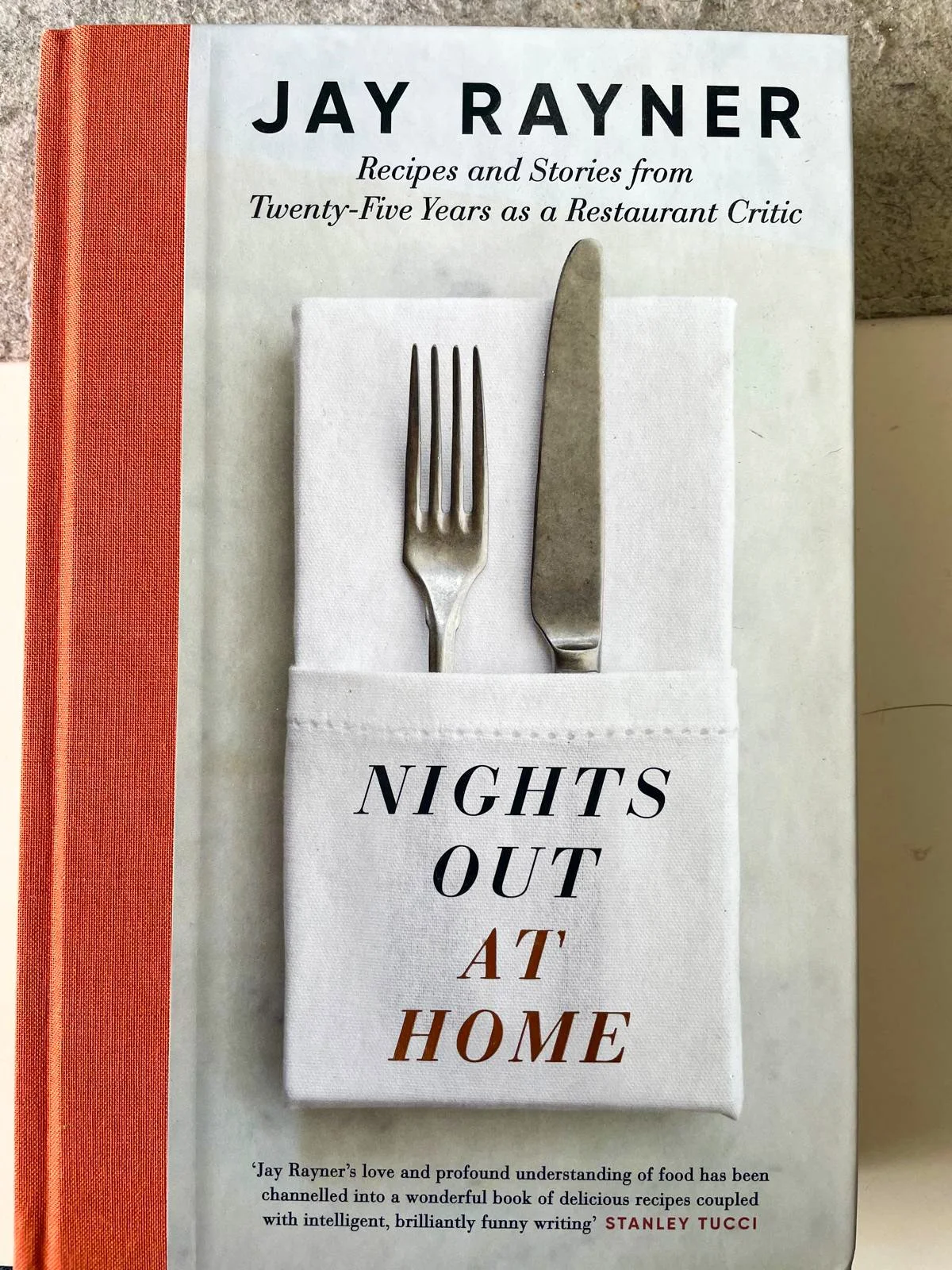
Neil's cookbook of the week: Nights Out at Home by Jay Rayner
This book, ‘Nights Out at Home’ by Jay Rayner, is very clever indeed. He has a huge following and writes so well. This is not a recipe book, though there are recipes in it. It is a mixed bag, but in the best way — recipes, tales, suggestions, anecdotes, and plenty of stories of eating out and in. This is a book you will read again and again, dipping into and giggling along the way.
I really do admire his honesty, his intelligence, and his dry humour. Who can believe he has been reviewing us for 25 years with us all nervously hoping it isn’t our restaurant that week when the paper is delivered. He strikes me as someone who should have become a chef. I believe he would have been a great one—in a big hotel somewhere with a tall toque, ruling the kitchens, and beyond, like a giant, but with consideration and control. What makes him tick is simple food, done well, well sourced, and presented simply — which can so easily be done badly. He loves the great restaurants and chefs of the last 25 years, too many to mention. This is a great collection of recipes and stories from a great writer.
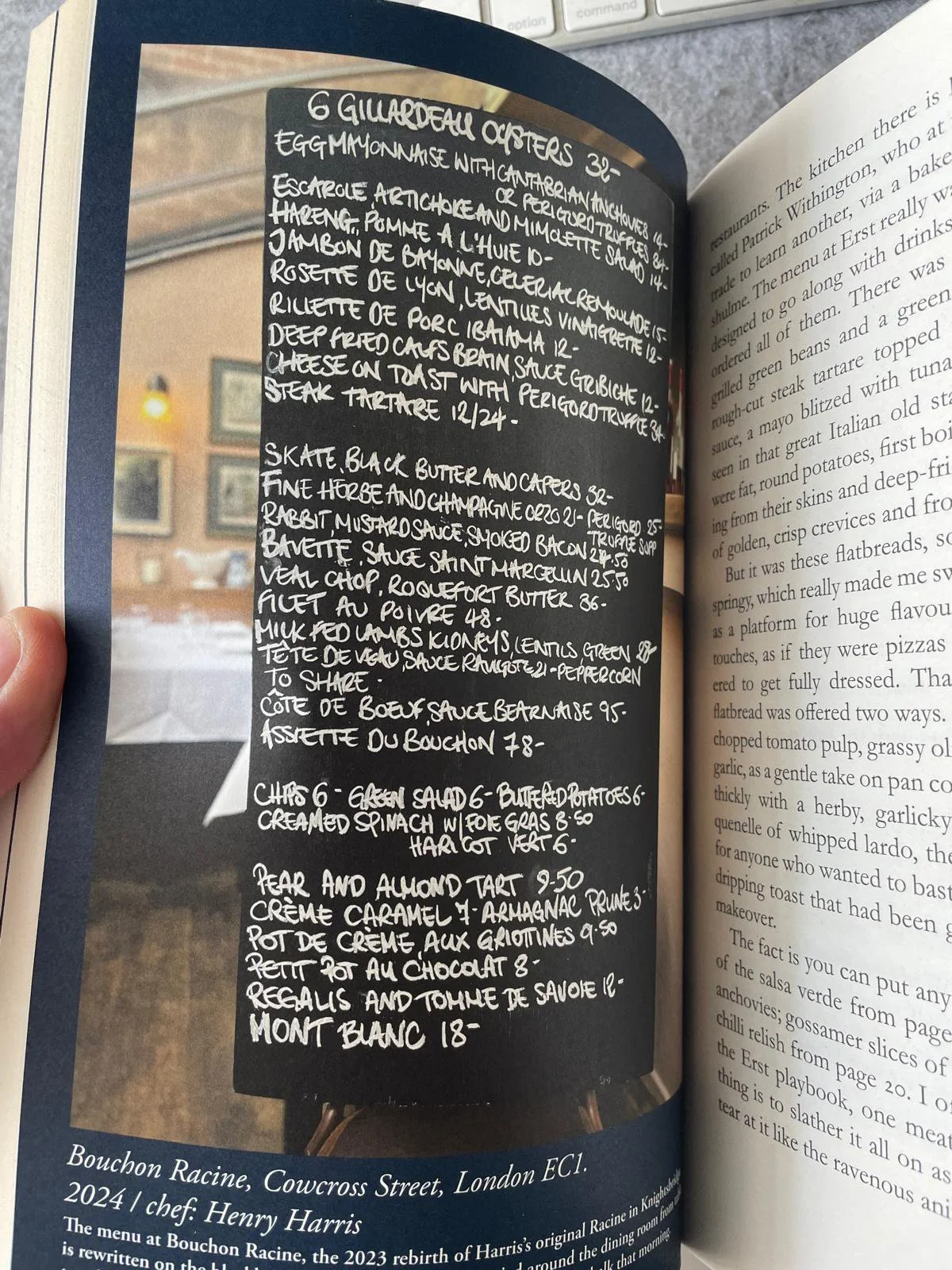
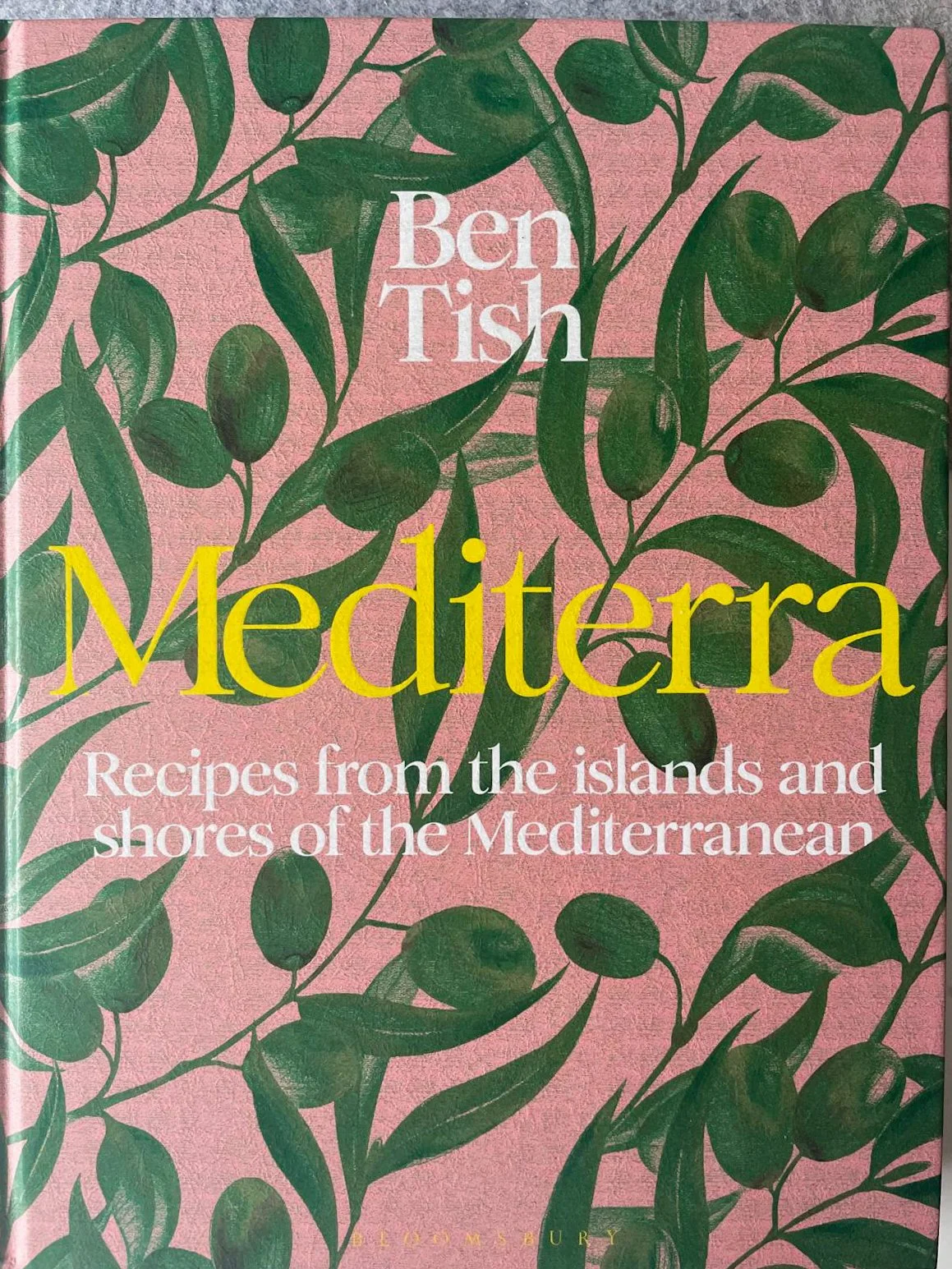
Neil's cookbook of the week: Mediterra by Ben Tish
Ben Tish is a chef I admire immensely; he cooks very tasty food, and I am hooked by what is in his recent book ‘Mediterra’. He ventures around the Mediterranean and shows us dishes from all over that vast area. It is not easy to cover such a huge region in one book, but he does a great job and the dishes look wonderful. It is the sort of tasty summer food we all like to eat—colourful and full of flavour. Think Italian, Croatian, Moroccan and beyond.
There are 140 recipes from the Med. Highlights for me are in the North African section: lamb kofta, grilled prawns, and a cardamom-scented custard with strawberries—absolutely delicious. It’s not easy using spice well, but he does it cleverly here, and of course the food from the eastern Med is so tasty—spicy, sweet, sour, and flavoursome. The simple use of ingredients makes these dishes sing.
It will take me a while to get through this book, but I suggest it as a real encyclopaedia of good food from such a vast region. There is something for everyone—aioli, ratatouille, spicy and heady harissa. Ben takes you on a voyage to places and gets you hooked on food you thought you would never know how to cook—now you can. Ottolenghi describes this book as “simple, seasonal, heartfelt,” and I agree.
Neil's cookbook of the week: Eat NYC by Yasmin Newman
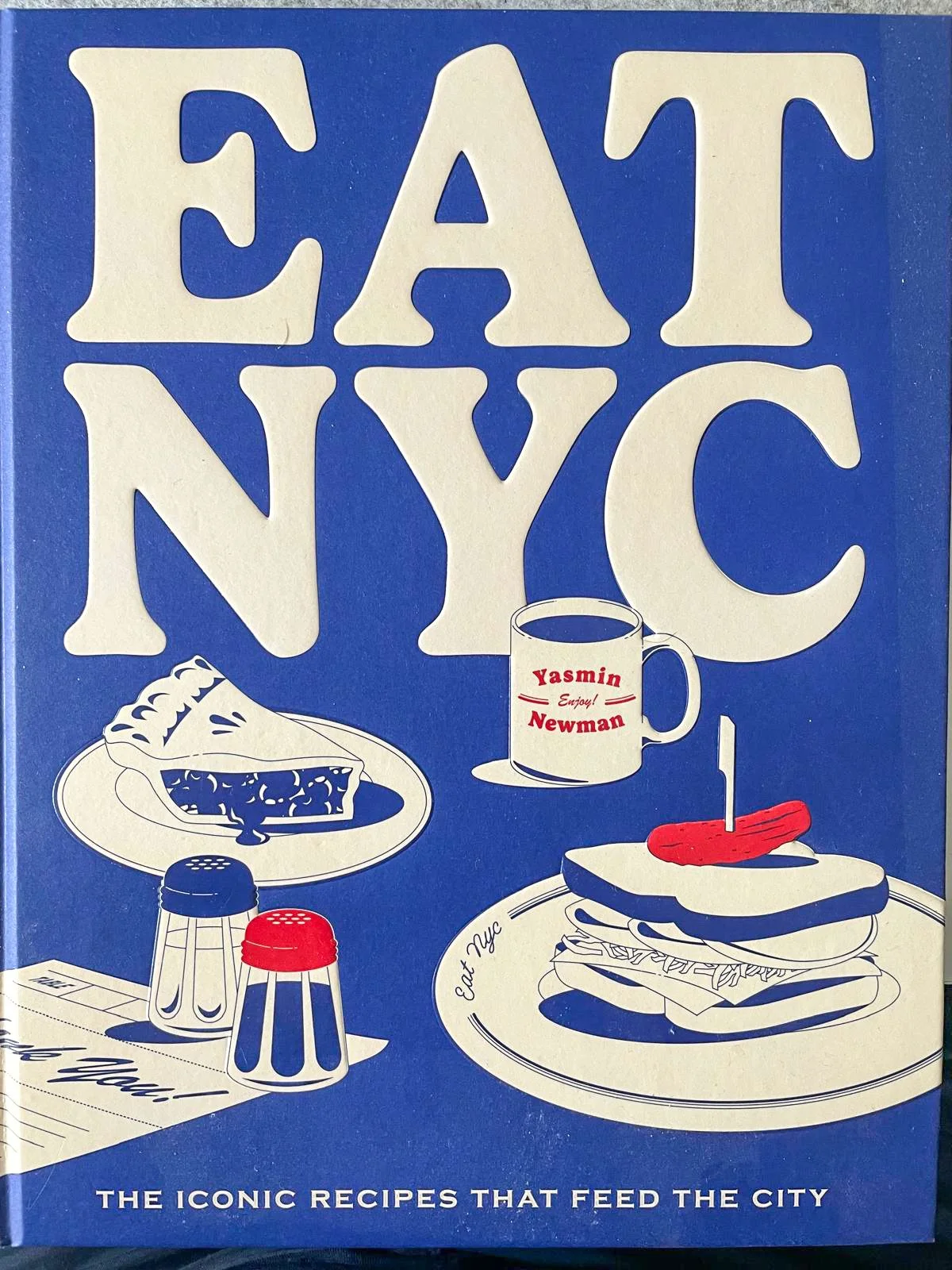
I have chosen one that is part guidebook, part cookery book, and great fun. ‘Eat NYC’ by Yasmin Newman is a collection of iconic recipes that feed the city. I have to confess I have never been to New York—but one day I will, with this book tucked under my arm as I step off the plane and decide where to eat.
We all have an image in our minds of what New York is like—Empire State Building, steam rising from the pavements, Wall Street, yellow taxis, hot dogs… After reading this big book, I feel I know the place already and have been pulled into the whole vibe of the Big Apple. You get a real sense of the personalities behind the food—from restaurants and pizza joints to hot dog stands. We all have to try these things if we go to New York, right?
It is a brilliant idea for a book, and a bit of fun too—not too serious. There are far too many dishes to mention, but you can imagine what is in it. The food city that never sleeps.
Neil's cookbook of the week: Indian Cookery by Madhur Jaffrey
This week I am going to surprise you—it is my dad’s favourite book, I think. 'Indian Cookery' by Madhur Jaffrey is a book of which I have very fond memories. My father worked in India for quite a while when I was growing up. He was on an exchange trip with Westminster College, where he taught cookery, and on his return we ate like kings as he had learned how to cook very good Indian food from some brilliant chefs in Delhi at the Oberoi—a rather swanky hotel/college. I remember he interviewed Madhur Jaffrey for his dissertation along with Sally Clarke, another famous chef. But the use of subtle spice here is crucial.
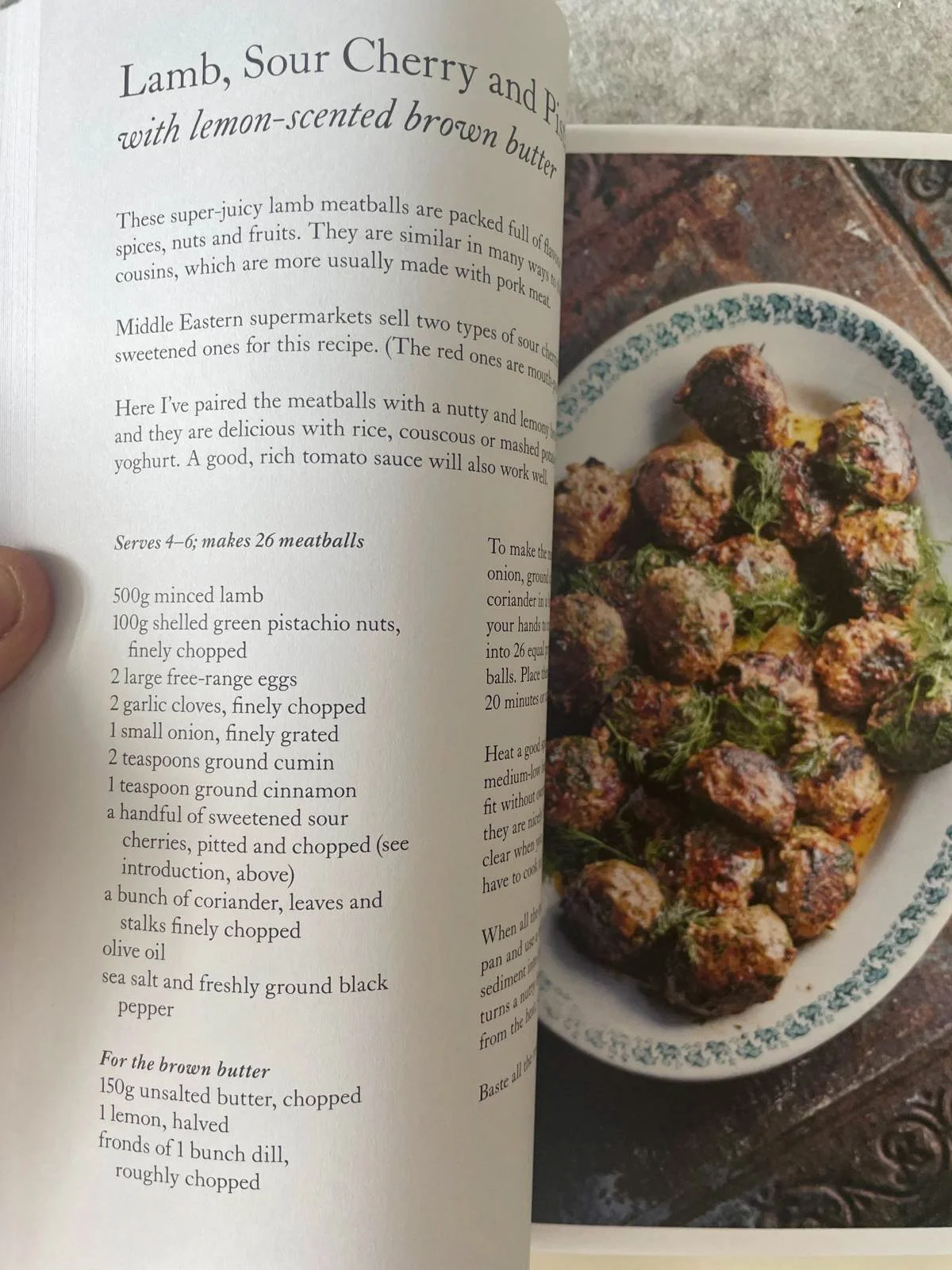
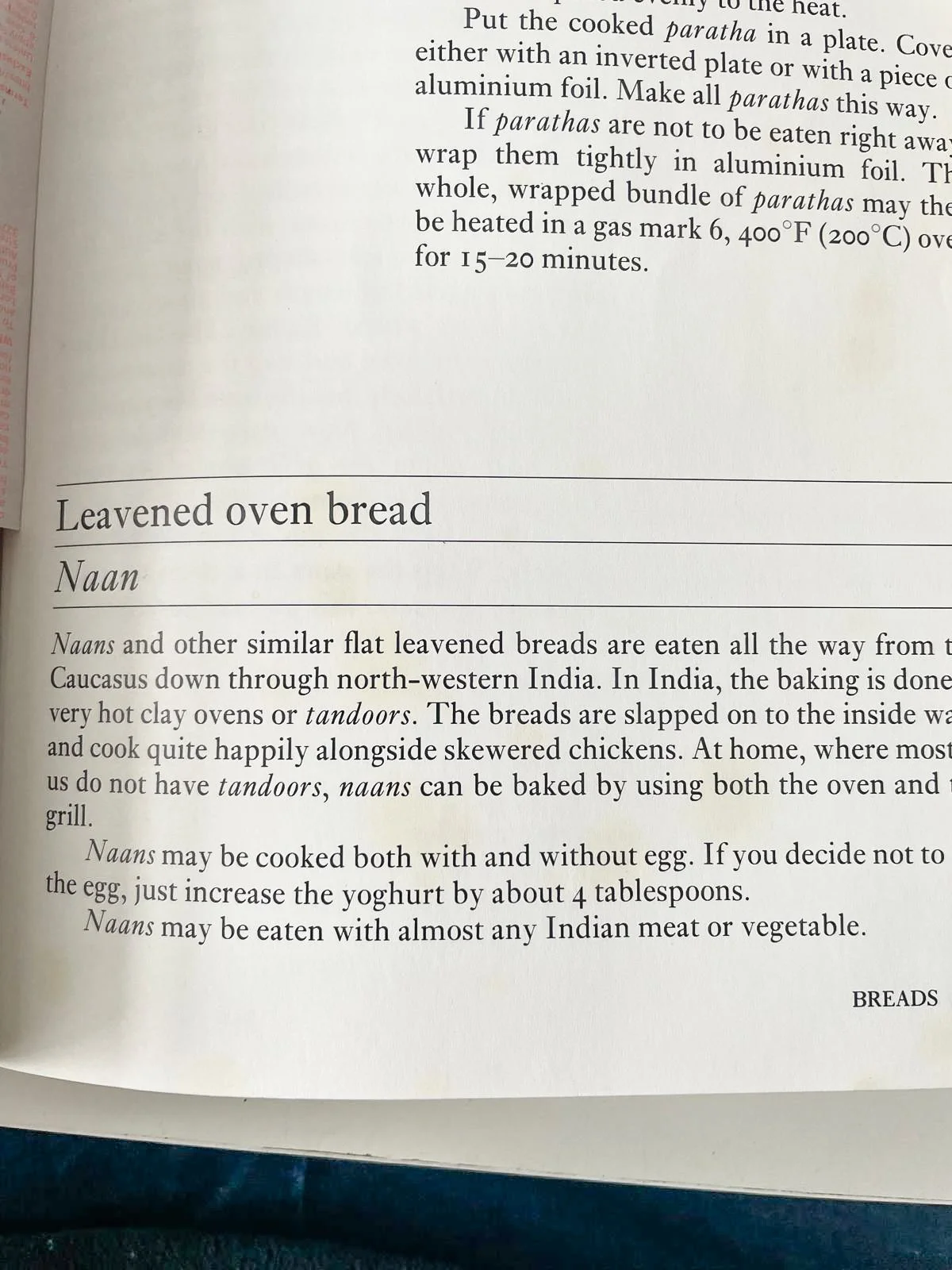
This book was published by the BBC to accompany a television programme. There are dishes I remember with great fondness from my youth, and still to this day I often talk to my father about a dish from it, ask his advice about a method or just talk about the delight of cooking with various spices. Here, the use of spice is not all about heat and strong use of chilli. Yes, it can be, but one of my favourite dishes my dad used to make was a cauliflower dish with black mustard seeds, cumin and turmeric—not spicy at all, but very flavoursome. The prawns with courgettes is a good dish, and the naan recipe is brilliant—we make it at home every time we make a curry.
I would urge everyone to have this timeless classic in their collection. Remember, this book is from 1982—the year we went to war over the Falklands, when we all ate mince and tatties and pots of cottage pies, hot pot, a roast on Sunday, and ‘spag bol’ was still very new. So this book broke the mould, I would say. I was talking to Pete, my sous chef, about it, and he is aware of the book too and has cooked from it—so that made me smile.